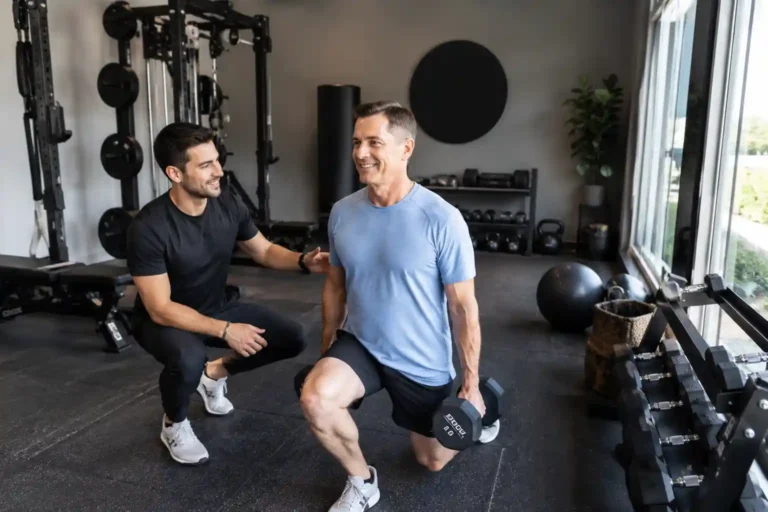
If your progress in the gym has stalled, personal training for fitness plateaus may be the solution you need. Many people experience periods where strength gains, fat loss, or performance improvements slow down despite consistent effort. Working with a professional trainer can help identify what’s holding you back and create a strategy for renewed progress.
A plateau can feel frustrating, especially when you’re still putting in the effort. This is where personal training for fitness plateaus becomes one of the most effective solutions.
How Personal Training for Fitness Plateaus Restarts Progress
Fitness plateaus usually happen when the body adapts to repeated training patterns. Once adaptation occurs, your body becomes more efficient, and your current workout may no longer create enough stimulus for change.
Common plateau causes include:
- Repeating the same workout routine
- Poor recovery or lack of sleep
- Inconsistent nutrition habits
- Incorrect exercise form
- Lack of progressive overload
- Training too hard without proper recovery
According to American College of Sports Medicine, progressive overload and training variation are essential components of long-term performance development. You can learn more at American College of Sports Medicine.
How Personal Training for Fitness Plateaus Restarts Progress
1. They Identify Training Blind Spots
Many people don’t realize their program has stopped challenging them.
A personal trainer evaluates:
- Exercise selection
- Training intensity
- Volume and frequency
- Movement quality
- Recovery habits
These assessments often reveal the exact reason progress has stalled.
2. They Apply Progressive Overload Properly
One of the biggest reasons people plateau is because they stop increasing training demand.
Personal trainers strategically increase:
- Weight
- Repetitions
- Training density
- Range of motion
- Exercise complexity
This helps the body adapt again without increasing injury risk.
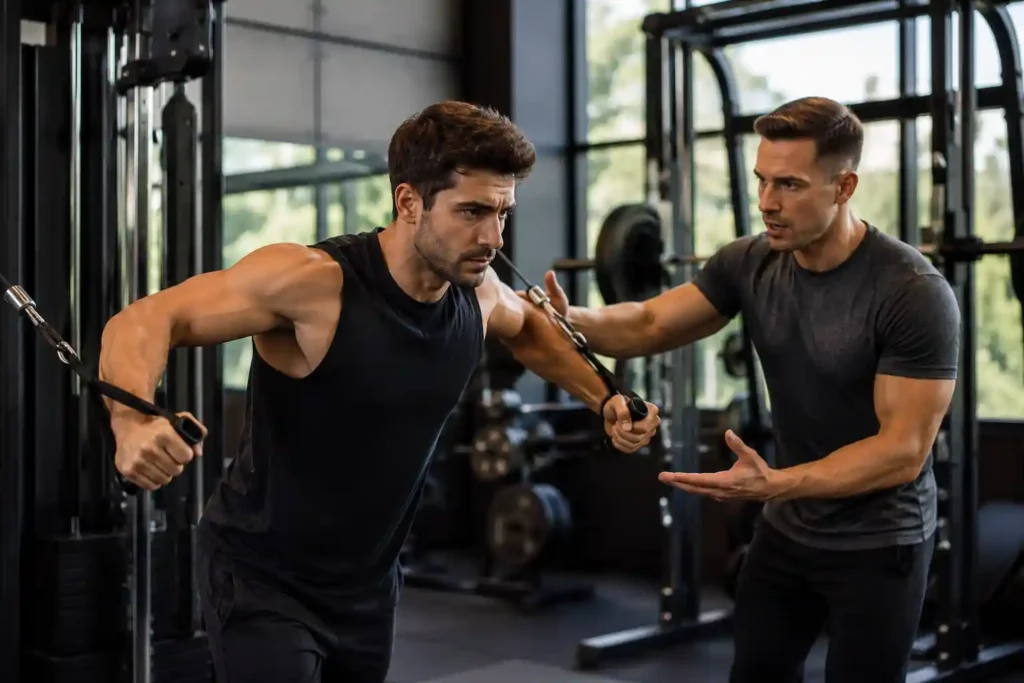
3. They Improve Exercise Technique
Poor movement mechanics can limit strength gains and reduce muscle activation.
A trainer corrects:
- Squat mechanics
- Pressing alignment
- Core stability
- Breathing patterns
- Tempo control
Better form often produces immediate improvements in performance.
4.Why Personal Trainers Help Break Fitness Plateaus Faster
Instead of random workouts, trainers build structured phases of training.
A typical program may include:
Foundation Phase
Movement quality and stability
Strength Phase
Progressive resistance and overload
Performance Phase
Power, endurance, or sport-specific conditioning
This variation helps avoid adaptation and keeps results moving.
5.Recovery Strategies in Personal Training for Fitness Plateaus
Recovery is often the missing piece.
A trainer may help optimize:
- Sleep habits
- Mobility work
- Stress management
- Deload weeks
- Nutrition timing
Centers for Disease Control and Prevention also emphasizes regular activity combined with recovery for long-term health outcomes. Learn more at CDC Physical Activity Guidelines.
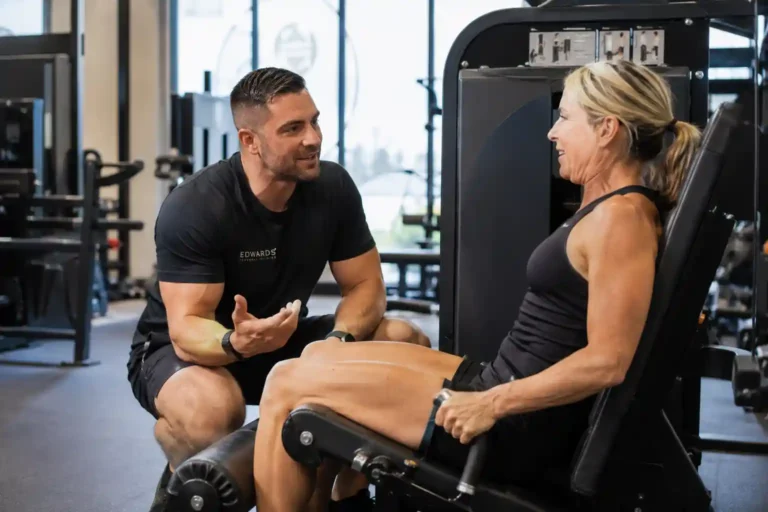
Why Accountability Matters
When progress slows, motivation often drops.
Personal trainers provide:
- Objective feedback
- Consistency tracking
- Performance benchmarks
- Realistic goal adjustments
This accountability often becomes the difference between quitting and progressing.
Personal Training for Fitness Plateaus at Winter Park
If your results have stalled, working with an experienced coach can help uncover what’s missing.
Start with a professional assessment at Winter Park Personal Training.